

About the Llŷn & Eifionydd Beekeepers' Association
The Lleyn & Eifionydd Beekeepers’ Association (LLEBKA) is a community of beekeepers and supporters dedicated to protecting and promoting the unique Welsh Black Bee on the Llŷn Peninsula and surrounding areas of North West Wales. We provide guidance, education, and a welcoming network for both new and experienced beekeepers, while championing the conservation of our native honey bee.
Our work goes beyond beekeeping practice. We advocate for treatment-free, sustainable beekeeping, encourage the natural development of Varroa resistance, and maintain a Voluntary Conservation Area (VCA) to safeguard the genetic purity of local bees. By sharing knowledge and working together, we aim to secure this resilient native strain for future generations whilst raising wider awareness of its importance.
From Coast to Countryside: Beekeeping on the Llŷn & Eifionydd
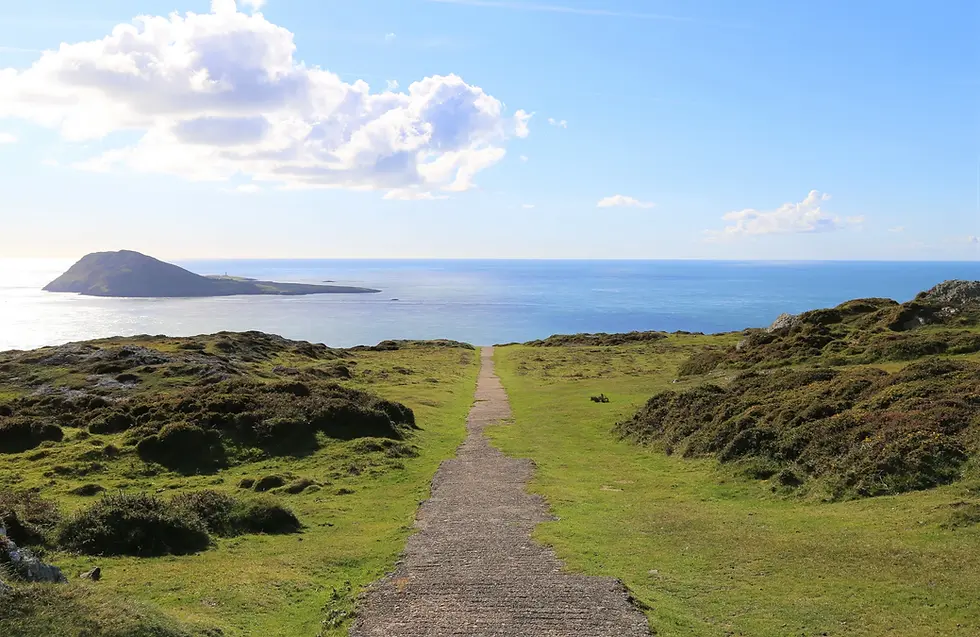
The LLEBKA is based on the Llŷn Peninsula in North West Wales, a remarkable Area of Outstanding Natural Beauty that stretches some 30 miles into the Irish Sea. Surrounded by coastline on three sides, the Llŷn is known for its sandy beaches, rugged cliffs, rolling farmland, and rich biodiversity. Benefiting from the Gulf Stream, the peninsula enjoys a relatively mild microclimate with warmer seas and longer growing seasons compared to much of Wales.
The area of Llŷn and Eifionydd is sparsely populated, with small towns and villages such as Pwllheli, Porthmadog and Aberdaron. It is a stronghold of the Welsh language and culture, with a proud heritage of farming, fishing, and close ties to the land. This unspoilt environment provides the perfect conditions for our Welsh Black Bees — a hardy native strain that has thrived here with minimal interference from imported bees.
For our association, the Llŷn is more than just a place — it is a living landscape where nature and community come together. Its unique character underpins our mission to protect, promote and conserve the bees that belong here, ensuring that future generations can enjoy both the beauty of the land and the resilience of its native honey bees.

Treatment Free, Varroa Resistance, and Voluntary Conservation Area
The Llŷn Peninsula is home to a unique population of Welsh Black Bees that has adapted naturally to our climate and landscape over many generations. Many colonies in our area now show strong natural resistance to varroa, allowing beekeepers to work successfully without chemical treatments. This resilience is the result of long-term local adaptation, where bees have evolved traits that suit the weather, forage, and conditions of North West Wales.
To protect this precious genetic resource, LLEBKA has established a Voluntary Conservation Area (VCA). The purpose of the VCA is simple: to safeguard our native and near-native bees by encouraging beekeepers to keep and breed from local stock, while avoiding the importation of non-native queens and colonies. Imported bees may appear attractive, but they often struggle in our environment and can dilute the carefully adapted traits of local bees. They may also introduce diseases or create temperament problems in later generations.
By supporting the VCA, beekeepers help preserve healthy, sustainable, and well-adapted bees for the future. It is a community effort rooted in conservation, biodiversity, and a commitment to low-intervention, treatment-free beekeeping.
Follow the link below to learn more about the VCA, natural varroa resistance, and how you can play a part in protecting our native Welsh Black Bees.
Association Apiary
The Association Apiary, located in the Chwilog area, is at the heart of our beekeeping community. Set within a peaceful orchard, the apiary provides a welcoming space for meetings, training sessions, and hands-on learning. It’s here that new beekeepers gain practical experience and develop the skills they need to care for their own colonies.
The apiary also plays an important role in breeding locally adapted Welsh Black Bees, which are made available to members. This not only supports sustainable, treatment-free beekeeping but also helps other members to raise and sell their own locally bred bees. A dedicated group of volunteers tend the hives throughout the year, ensuring the apiary remains a thriving resource for learning, conservation, and community.
History of the LLEBKA
Records show that the association has been in existence since at least the 1930s, and beekeeping in the area has changed considerably over that time. In the 20th century, many families kept a couple of hives on their land, providing a little honey each year for family and friends.
During the 1990s, with the arrival of varroa, many beekeepers gave up. Others continued but suffered significant colony losses, even despite following the authorities’ recommended chemical treatments, which were intended to help manage varroa and support colony health. Gradually, throughout the 2000s, it became clear to many that these treatments were not improving survival in managed hives, particularly when compared with known wild colonies — which were treatment-free and yet appeared to be thriving.
This shift in understanding encouraged more local beekeepers to stop treating their colonies and instead collect swarms from the wild. David Heaf (LLEBKA member) and Pete Haywood (Bee Inspector and LLEBKA member) were instrumental in leading this movement.
👉 You can watch their 2015 interview here: Treatment free beekeeping in Gwynedd, Wales
👉 And here is an earlier interview with David from 2013: Varroa - Dr.David Heaf on Treatment-Free Beekeeping
By the late 2010s, this approach had created the situation we see today: new beekeepers in our area rarely need to consider varroa at all. Winter losses are comparable to — or lower than — areas where chemical treatment remains the norm.
Since then, our understanding of the traits bees need in order to live with varroa has become much clearer, supported by extensive research — much of which we share throughout this website to help guide and inform beekeepers.

Preserving Nature
The LLEBKA Mission Statement
The Llŷn & Eifionydd Beekeepers’ Association has been active since the late 1930s and seeks to further the enjoyment of beekeeping and its associated crafts through the free exchange of information between members and with the aid of guest speakers and demonstrations at Association meetings.
The Association promotes the development and use of Locally Adapted Honey Bees and strongly discourages the importation of honey bees from outside the area. To this end the Association has initiated a Voluntary Conservation Area
The area’s locally adapted bees have lived without chemical treatment for many years and manage varroa very effectively without intervention by beekeepers. The Association promotes non treatment of colonies to allow honey bees to develop their own behaviours to handle threats.